|
|
Newsletter July / August 2026
|
|
|
|
|
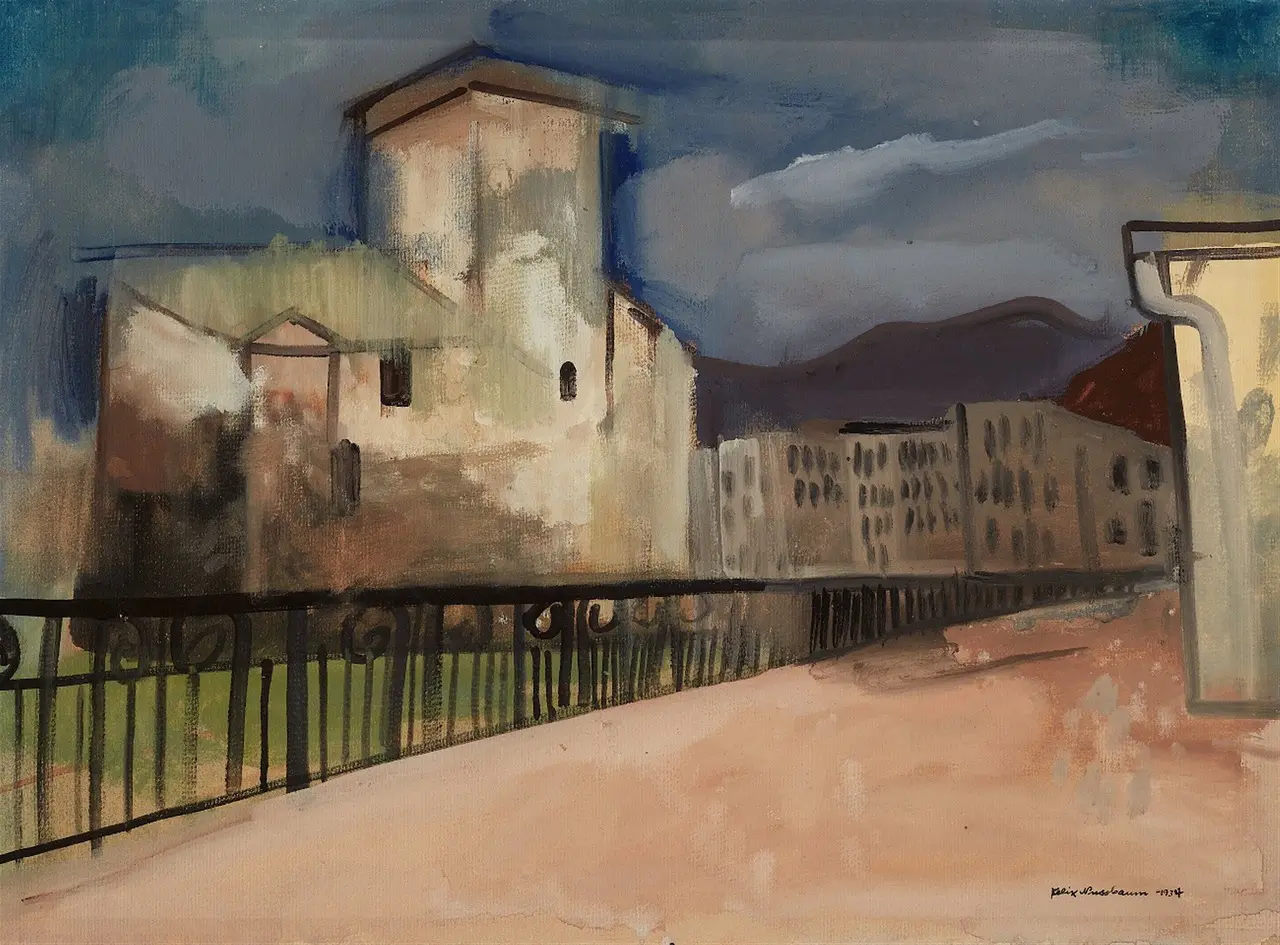
Felix Nussbaum - Schloss in Rapallo
1934 -> Click image to enlarge
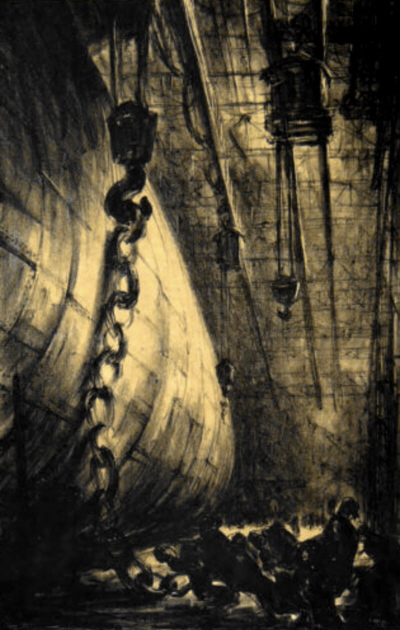
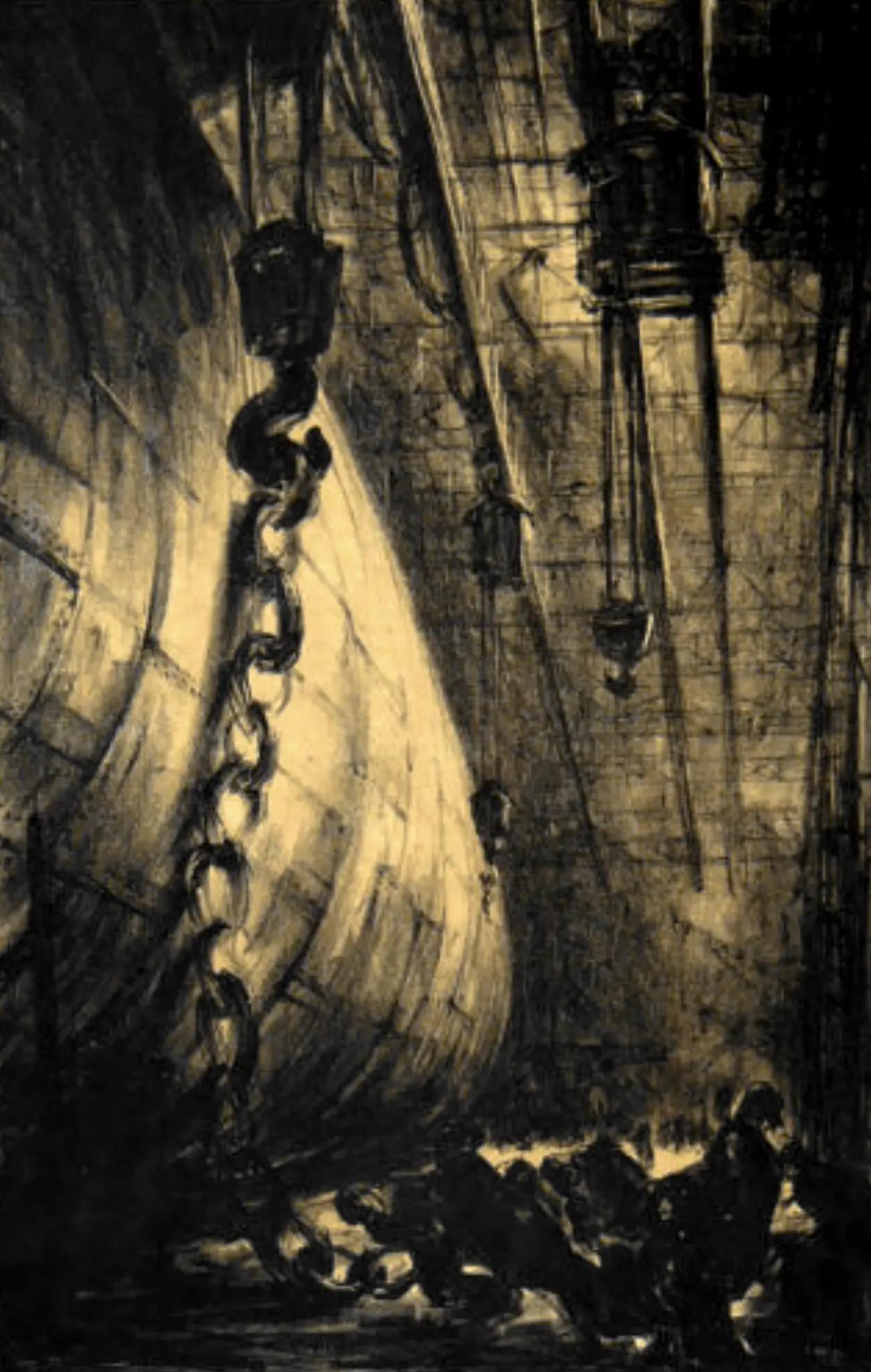
Lili Réthi - Boiler Shop
1921
-> Click image to enlarge |
|
|
|
|
|
|
This somber piece is a work by Felix Nussbaum. We discovered it in a
gallery near the artist’s birthplace of Osnabrück. The handover took place at
the Felix-Nussbaum-Haus. There, we had the opportunity to speak with the
collection's curator, Anne Sibylle Schwetter, about the artwork’s
fascinating provenance. The piece was created in the summer of 1934 on the
Italian Riviera. It was there that Nussbaum saw his parents for the very last
time before his flight to Brussels and their subsequent deportation to
Auschwitz. The artwork captures the oppressive atmosphere that dominated this
final meeting.
This impressive lithograph was created by the Viennese graphic artist Lili Réthi, a pioneer of industrial art. In 1921, to capture the harsh daily lives of miners underground, she even disguised herself as a boy and spent several days in a Dortmund coal mine. At the time, women were legally prohibited from working underground. That same year, she also produced the lithograph The Boiler Shop (Kesselschmiede), which offers a direct glimpse into the male-dominated world of heavy industry at the time. She traveled to the largest construction sites across Germany and Europe before Hermann Göring personally offered her a major commission. She evaded this offer by fleeing to Great Britain and later to the United States.
|
|
|
|
|
|
|
|
|
|
|
|
|
|
|
|
|
|
|
|
|
|
|
|
|
This passport photo was taken in Brussels in October 1937 for the renewal of his Belgian alien’s passport. That same month, he married his long-time partner, the painter Felka Platek, there.
The New Objectivity painter, who was born in Osnabrück, never returned to Germany after his Rome scholarship was revoked in 1933. Following the invasion of Belgium by the German Wehrmacht in 1940 and their escape from an internment camp, the couple lived underground in Brussels for years. Despite the constant fear of discovery, Nussbaum created a harrowing body of late work while in hiding, documenting the terror of the Holocaust.
Following a denunciation, Felix Nussbaum and Felka Platek were arrested on June 20, 1944. They were transported to Auschwitz on the very last deportation train from Belgium. While Felka Platek was presumably murdered in August 1944, records show that Felix Nussbaum survived his first few weeks in the camp. Today, their legacy lives on at the Felix-Nussbaum-Haus in Osnabrück.
|
|
|
|
|
|
|
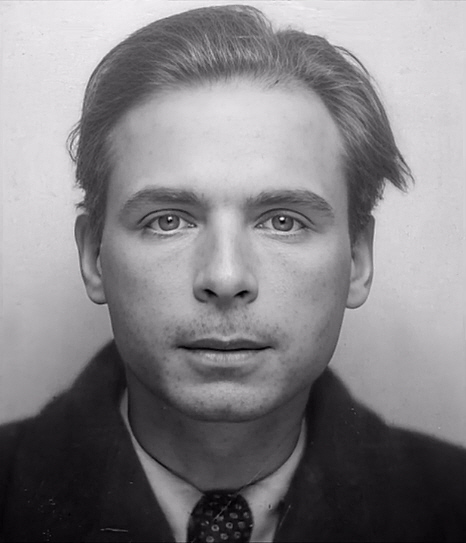
Felix Nussbaum - 1937
|
|
|
|
|
|
|
|
|
|
|
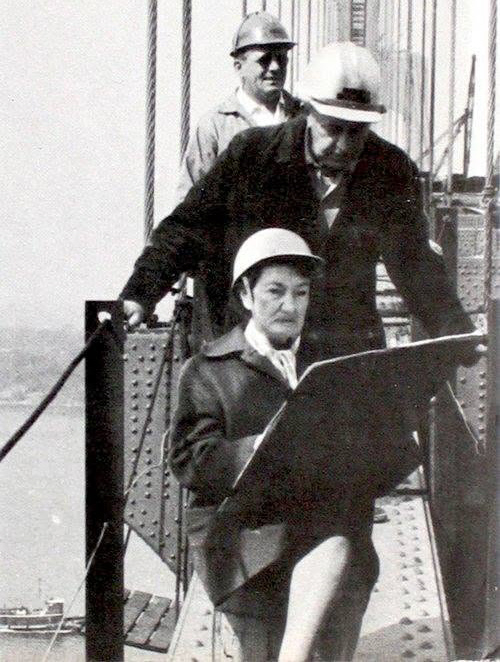
Lili Réthi - 1963
|
|
|
|
|
|
This photo shows Lili Réthi in July 1963 at the incredible age of 68, wearing a hard hat and holding her drawing board on the steel structure of the Verrazzano-Narrows Bridge in New York, more than 650 feet in the air. She spent months on the construction site to document the building of what was then the world’s largest suspension bridge through her drawings. Out of admiration for her endurance, the bridge workers built the artist her own wooden shack to protect her from the wind.
Lili Réthi was born into a Jewish family in Vienna in 1894. After completing her education at the local Women’s Art School, she specialized in the graphic depiction of large-scale industrial projects. From 1939 onward, she lived in exile in New York, where she achieved great success and passed away in 1969. Today, her works can be found in the most prominent museums across the United States.
|
|
|
|
|
| |
|
|
|
|
|
|
|
|
|
The Fate of Displaced Artists Far From Home
This theme of the month sheds light on the mechanisms of displacement and what the loss of one’s homeland means for art. After fleeing dictatorships or wars, creative expression in a foreign land often becomes a tool of inner resistance. Yet, the loss of a familiar audience and a lack of working materials present artists with existential hurdles. While a few succeed in adapting, many succumb to isolation or are caught by their persecutors. The works created in exile stand as timeless memorials to the fragility of freedom.
A bitter irony befell Jewish refugees after their escape: in sanctuary countries like Great Britain, they were suddenly classified as 'Enemy Aliens' upon the outbreak of World War II. Instead of freedom, internment behind barbed wire awaited them, paralyzing all artistic creation for months or years.
|
|
|
|
|
|
|
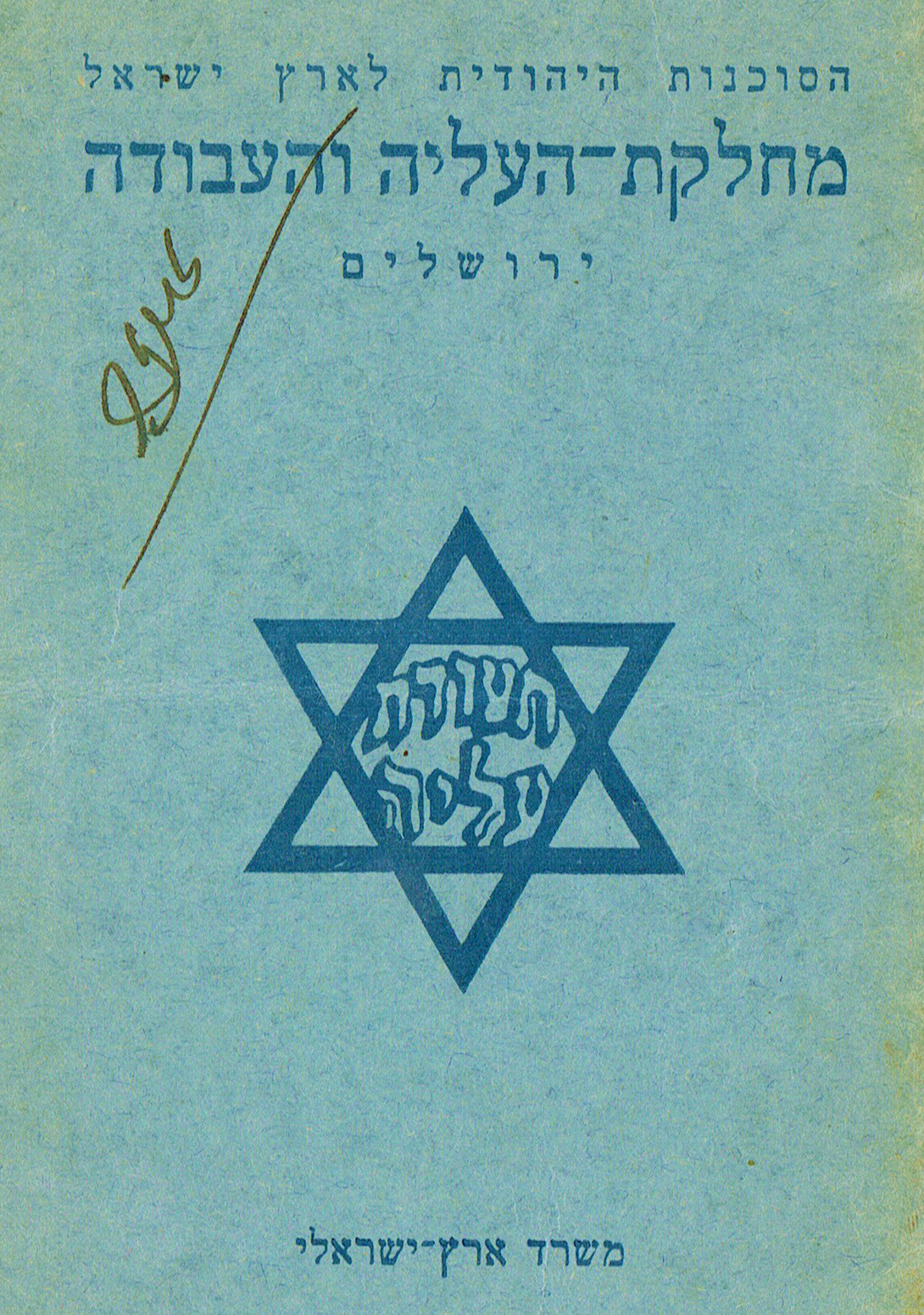
Immigration Certificate for Palestine
|
|
|
|
|
| |
Outlook: The next newsletter will be published in September. We will then present a watercolor by Erich Brill, as well as paintings by the artist Anne Anker Rothschild. The theme of the month for September will be: 'The Role of Hermann Göring in the Nazi Art Looting'. |
|
|
|
Dr. Beatrix Früh
Dipl.-W. Ing. Stefan Schmitt
Das Virtuelle Museum in Karlsruhe
August-Bebel-Straße 34
D-76187 Karlsruhe
Tel: +49 721 75 69 300
Email: info@lostgen.art
Lost Generation Art © 2026
|
|
|
|
|
|