|
|
Newsletter
March / April 2026
|
|
|
|
|
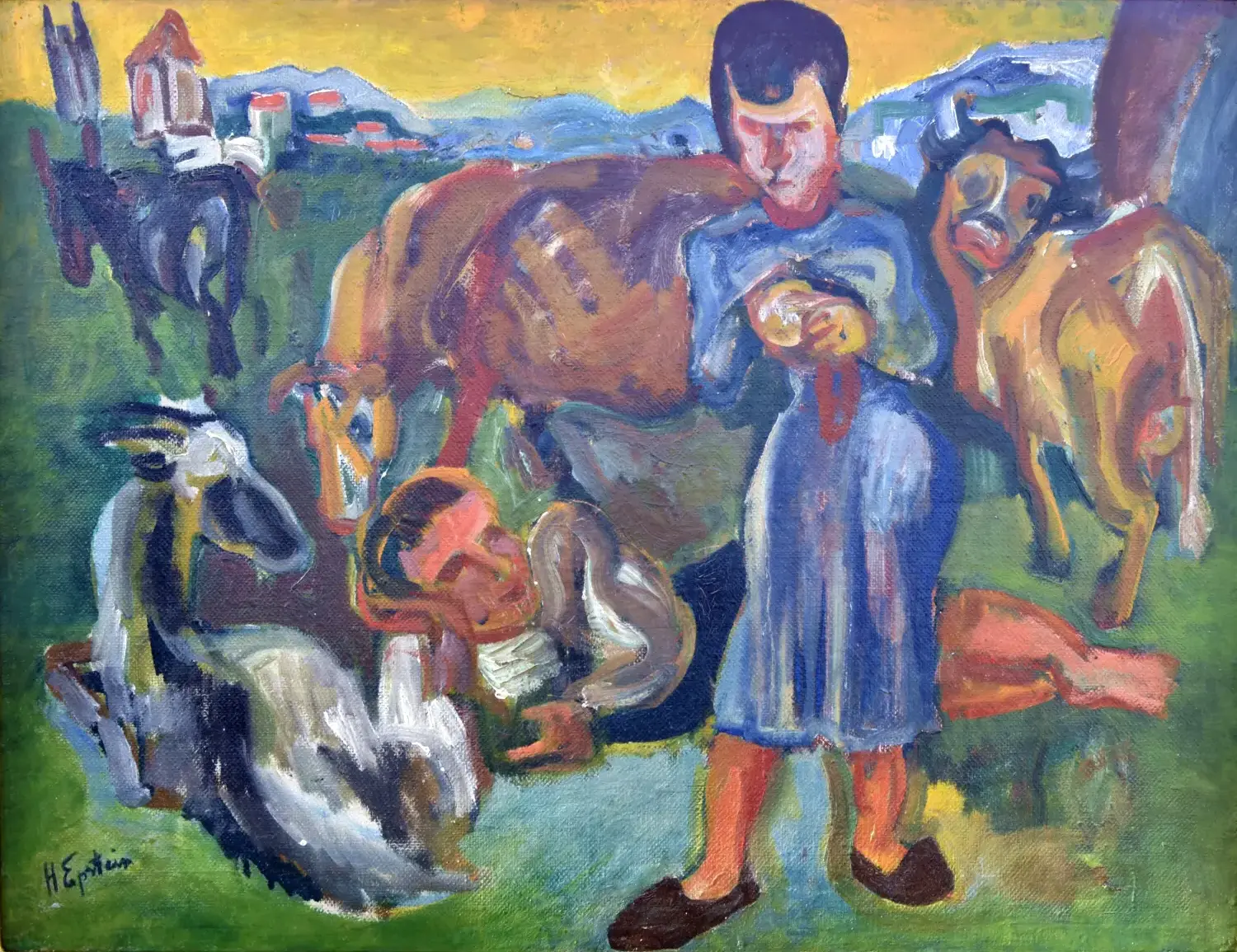
Henri Epstein - Shepherds in the Pasture
c. 1930 -> Click image to enlarge
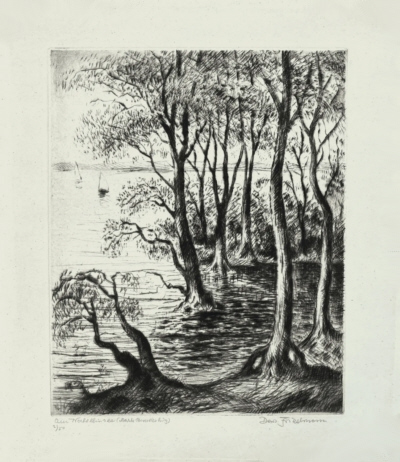
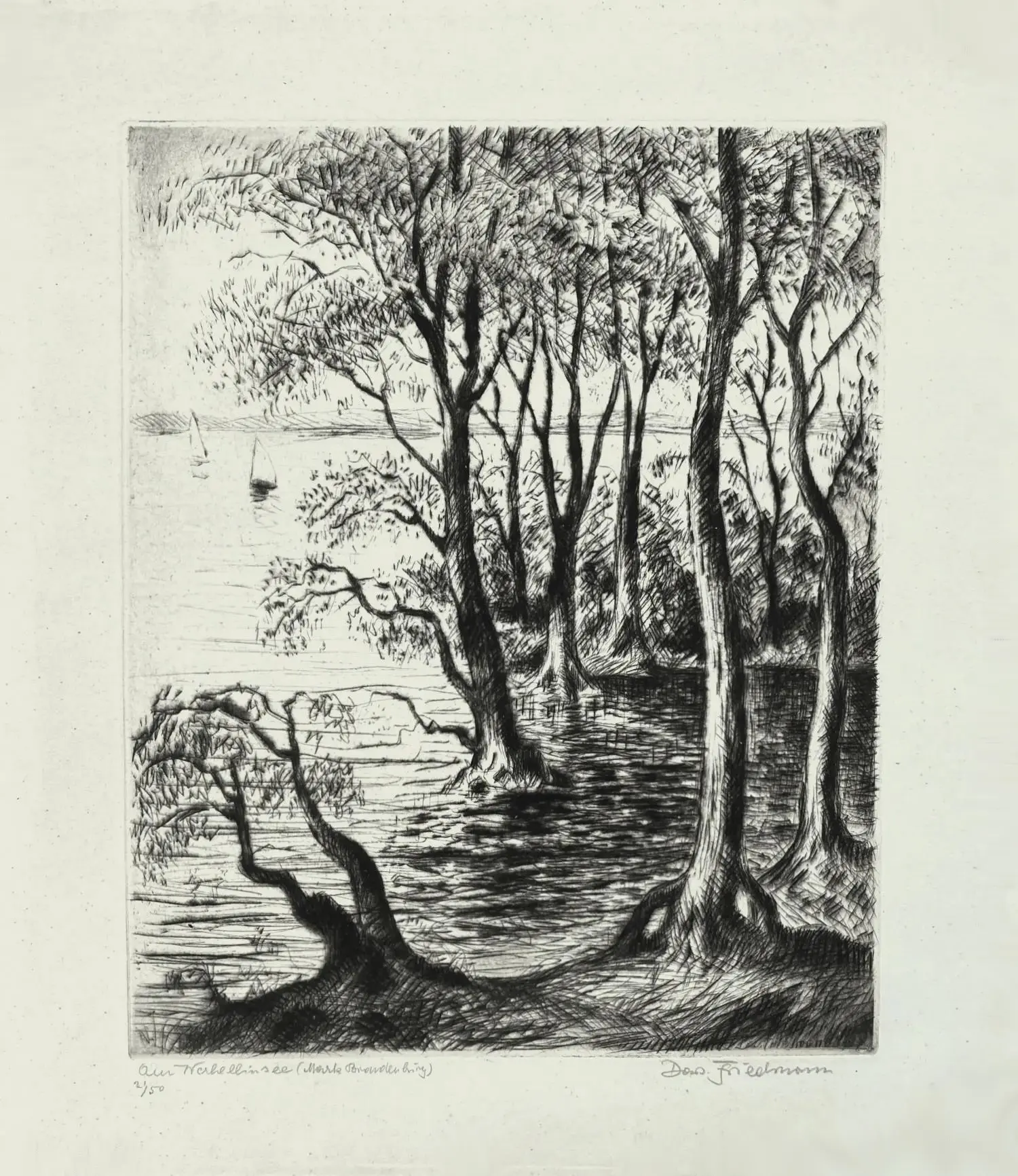
David Friedmann - At Lake Werbellin
c. 1920 -> Click image to enlarge |
|
|
|
|
|
|
We discovered this vibrant painting
and an impressive watercolor by
Polish artist Henri Epstein
in a Paris gallery. Epstein lived in
the city before his arrest and
subsequent internment at the Drancy
transit camp. This rural scene from
Brittany showcases Epstein at the
height of his artistic mastery—a
mastery that stands in painful
contrast to his tragic fate..
Early Works by David Friedmann are a
rarity on the art market, as the vast majority
of his oeuvre has been considered lost since his flight
from Germany. It was all the more surprising when this
piece surfaced in a
donation box for a secondhand shop in Quedlinburg.
A staff member, fascinated by the motif and the sense of
tranquility it radiates, identified it was the work of
an Auschwitz survivor. Her research led her to Friedmann’s daughter in New York, who suggested donating
the piece to our collection. This extraordinary find was
also covered by the Mitteldeutsche Zeitung, and
we are pleased to share their full article here (Text in German only).
|
|
|
|
|
|
|
|
|
|
|
|
|
|
|
|
|
|
|
|
|
|
|
|
|
was born in Mährisch-Ostrau in 1893. During the 1920s, he was one of Berlin’s most sought-after press illustrators, documenting social and political life as well as numerous sporting events for the major daily newspapers. He was also a successful painter – his works were featured in exhibitions and galleries in many cities throughout Germany.
After the Nazi seizure of power, he lost his livelihood due to his Jewish heritage and fled to Prague in 1938. In 1941, he was deported to the Litzmannstadt Ghetto (Łódź Ghetto) and later to the Auschwitz and Gleiwitz I concentration camps. Shortly after his liberation, he documented the horrors of the Holocaust in haunting drawings and paintings. As a result of Nazi-art-looting, the vast majority of his early works created in Germany and Czechoslovakia were either lost or destroyed.
|
|
|
|
|
|
|
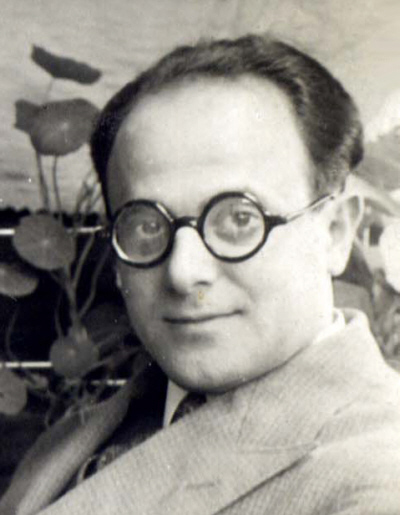
David Friedmann c. 1930
|
|
|
|
|
|
|
|
|
|
|
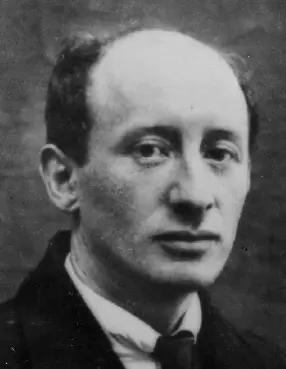
Henri Epstein c. 1930
|
|
|
|
|
|
was born in Lodz in 1891. After completing his training in Munich, he settled in Paris in 1913. As a prominent representative of the "Ecole de Paris," he created an expressive body of work in the Montparnasse artists' quarter, encompassing still lifes, landscapes, and scenes of French everyday life..
Following the German occupation of France, Epstein faced increasing persecution due to his Jewish heritage. In February 1944, he was arrested by the Gestapo, deported via the Drancy deportation camp to Auschwitz, and murdered there later that same year. Today, his work is regarded as an important testimony of Jewish Modernism in Paris.
|
|
|
|
|
| |
|
|
|
|
|
|
|
|
|
Lilli Fischel - Part 2: Her Struggle for Modern Art
Following the director’s death in 1927, Lilli Fischel took over the leadership of the Staatliche Kunsthalle Karlsruhe. Continuing a modern acquisition policy, she quickly came under fire from völkisch circles, which heavily criticized her acquisitions of contemporary and international art. Immediately after the Nazi seizure of power, she was dismissed from civil service in April 1933 due to her Jewish heritage and was banned from practicing her profession.
To escape the threat of persecution, Lilli Fischel emigrated to Paris, where she worked in the private art trade. Following the Wehrmacht's invasion of France, she returned to Germany in 1939 and built a new life as an art dealer in Munich under precarious conditions.
|
|
|
|
|
|
|
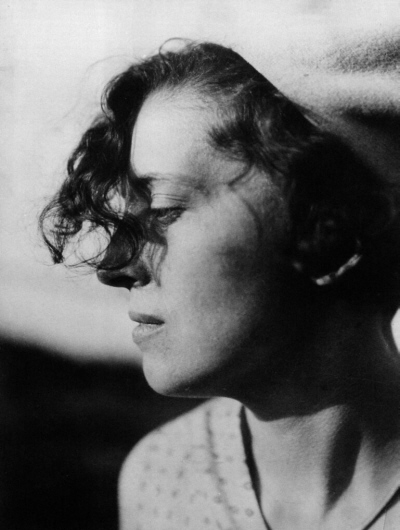
Lilli Fischel c. 1928
Foto Lucia Moholy © VG Bild-Kunst, Bonn 2026
|
|
|
|
|
| |
Outlook: The next newsletter will not be published until May. At that time, we will present an impressive painting by the Bruchsal artist Leo Kahn, as well as a
pastel by the Czech painter Robert Guttmann. The theme for the month of May will be: Lilli Fischel – Part 3: 'Her Struggle for Restitution'.
|
|
|
|
Dr. Beatrix Früh
Dipl.-W. Ing. Stefan Schmitt
The Virtual Museum in Karlsruhe
August-Bebel-Straße 34
D-76187 Karlsruhe / Germany
Tel: +49 721 75 69 300
Email: info@lostgen.art
Lost Generation Art © 2026
|
|
|
|
|